
Have you ever taken a bite of your favorite food while having a cold and wondered why it suddenly seems bland or strangely different? Foods that normally have strong flavors can become almost tasteless when your nose is blocked. Even sweet, salty, spicy, or savory foods may seem weaker than usual.
The reason is closely connected to the relationship between taste and smell. Although people often describe flavor as something detected by the tongue, the brain actually creates the experience of flavor by combining information from several senses. When a cold interferes with your sense of smell, the brain receives less information about food, making familiar meals seem less flavorful.
Taste and Flavor Are Not the Same Thing
Taste and flavor may sound like the same thing, but they describe different sensory experiences. Taste mainly refers to signals detected by receptors on the tongue, while flavor is the much larger experience created when taste, smell, texture, temperature, and other sensations are combined.
The tongue can detect several basic taste categories, including sweet, salty, sour, bitter, and umami. These signals provide important information about the food being eaten. However, they do not tell the brain everything about the identity and complexity of a meal.
Flavor depends heavily on smell. When you chew food, volatile molecules from the food can travel from the back of your mouth toward the nasal cavity. This pathway allows your smell receptors to detect aromas while you are eating. The brain combines those signals with taste information to create what you experience as flavor.
Why Smell Is So Important for Eating
Your sense of smell can detect a huge variety of chemical compounds in the environment. This ability becomes particularly important during meals because many of the characteristics people describe as “flavor” actually come from aroma.
Imagine eating a strawberry while holding your nose. You may still detect sweetness and some sourness, but the strawberry may become much harder to identify. Once you release your nose and allow the aroma to reach your smell receptors again, the food can suddenly seem much more recognizable.
The same principle applies to many other foods. Coffee, chocolate, fruit, herbs, cooked meat, and spices contain numerous aromatic compounds that contribute to their distinctive identities. Without normal smell, much of this information becomes difficult for the brain to access.
What Happens to Your Nose During a Cold?
A cold is usually caused by a viral infection affecting the upper respiratory tract. The infection can cause inflammation and increased mucus production in the nose and surrounding tissues.
This swelling can narrow the nasal passages and make breathing through the nose difficult. At the same time, mucus can interfere with the normal movement of air through the nasal cavity.
These changes matter because odor molecules need access to the olfactory region of the nose, where specialized sensory cells detect smells. When congestion prevents enough air from reaching this area, fewer odor molecules may reach the receptors.
As a result, your ability to detect aromas while eating can decrease. The tongue may still be working normally, but the brain is receiving much less information from the smell system.
How Nasal Congestion Changes Flavor
When you have a blocked nose, food aromas have a harder time reaching the smell receptors inside your nasal cavity. This is especially noticeable when eating because much of the information about food aroma travels through the back of the mouth into the nose.
This route is known as retronasal olfaction. It is different from smelling something by breathing air directly through the nostrils. Retronasal smell allows the brain to detect aromas released during chewing.
During a cold, congestion can reduce this flow of aromatic information. The result is that food may taste weaker even though the taste receptors on your tongue are still detecting basic tastes.
This explains why a meal can seem disappointing during a cold without the food itself being different. The sensory information reaching your brain has changed.
What Your Tongue Can Still Detect
A cold does not necessarily switch off your taste receptors. In many cases, the tongue continues detecting basic taste sensations relatively well.
You may still recognize that a food is sweet, salty, sour, bitter, or savory. For example, sugar may still taste sweet, and salt may still produce a salty sensation. However, the food’s more complicated flavor characteristics can become much harder to recognize.
Consider a bowl of soup containing vegetables, herbs, spices, and meat. Your tongue can detect saltiness and perhaps some sweetness or bitterness, but the detailed aromas that make the soup distinctive may be reduced.
That is why people sometimes say food has “no taste” during a cold. Technically, the tongue may still be detecting taste, while the overall flavor experience has become much less detailed.
Why Your Favorite Foods Can Seem Bland
Favorite foods often contain many aromatic compounds. When your sense of smell becomes weaker, the brain loses access to some of the information that normally makes those foods appealing.
A pizza, for example, contains aromas from cheese, tomato, herbs, cooked dough, and other ingredients. Your tongue detects several basic tastes, but much of the recognizable character comes from smell.
During a cold, those aromas may be harder to detect. The pizza may still contain exactly the same ingredients, but your brain receives a less complete sensory picture.
This is also why foods with strong textures or obvious temperature differences may remain noticeable. Crunchiness, creaminess, heat, and coldness are detected through sensory systems that are not entirely dependent on smell.
Why Spicy Food Can Feel Different
Spicy foods provide an interesting example because the sensation of heat from chili peppers is not technically a basic taste. The burning or warming feeling comes largely from activation of sensory nerves that respond to chemical irritation.
A compound called capsaicin, found in chili peppers, activates receptors associated with heat and irritation. This produces the familiar burning sensation even though capsaicin is not simply being detected as sweet, salty, sour, bitter, or umami.
Because this system is different from ordinary taste and smell, spicy food may still feel hot when you have a cold. However, the overall flavor of the chili, curry, salsa, or other spicy meal can seem weaker because its aromas are reduced.
This creates an interesting situation where the mouth can still experience intense heat while the food itself seems less flavorful.
How the Brain Combines Taste and Smell
Flavor is not created by one sensory organ. Instead, the brain combines information arriving from different sensory systems.
Taste receptors send information about basic tastes. Smell receptors provide detailed information about aromas. Other sensory receptors provide information about temperature, texture, pressure, and irritation.
The brain integrates these signals into a single experience. Because smell contributes so much information, reducing smell can noticeably change the final perception of flavor.
This is why two foods with similar basic tastes can seem completely different when their aromas are available. The smell system adds another layer of information that helps the brain identify and distinguish foods.
The Role of Retronasal Smell
Retronasal olfaction is one of the most important concepts for understanding why food changes during a cold. Instead of detecting an aroma from the outside through the nostrils, this system detects food-related volatile compounds moving from the mouth toward the nasal cavity.
When you chew food, molecules are released. Some travel upward through the back of the throat and enter the nasal passages. Specialized smell receptors detect these molecules and send signals to the brain.
The brain then combines the smell information with taste and other sensations. This produces the complex experience we call flavor.
If congestion blocks or reduces the movement of air through the nasal passages, retronasal smell becomes less effective. The food therefore loses some of its aromatic complexity.
Why Smell Loss Can Be More Noticeable Than Taste Loss
People often notice a reduction in flavor more strongly than a reduction in basic taste. This happens because everyday eating depends heavily on the smell system.
You may still detect sweetness from a dessert, but you may have difficulty distinguishing chocolate from vanilla. You may detect salt in soup but struggle to identify the herbs and ingredients that normally give it character.
The difference becomes especially obvious with foods that depend heavily on aroma. Coffee, fresh fruit, spices, roasted foods, and many cooked dishes can lose much of their recognizable character when smell is reduced.
In other words, the tongue can continue sending useful information while the nose is temporarily providing much less detail.
Does a Cold Change Your Taste Buds?
A typical cold does not usually destroy or permanently alter your taste buds. The main reason food seems different is often the reduction in smell caused by nasal congestion and inflammation.
Taste receptor cells are constantly renewed as part of the normal maintenance of the sensory system. Their ability to detect basic taste signals generally remains intact during an ordinary cold.
However, illness can indirectly influence eating. Dry mouth, reduced appetite, medications, coughing, mucus, and changes in the mouth and throat can all affect how food feels or tastes.
Because several factors can occur at the same time, the exact experience can vary from person to person.
How Dry Mouth Can Affect Taste
A cold may sometimes be accompanied by dehydration, mouth breathing, fever, or medication use. These factors can contribute to a dry mouth.
Saliva plays an important role in eating because it helps dissolve food chemicals so that they can interact with taste receptors. If the mouth becomes unusually dry, the way food is perceived can change.
Dryness can also affect texture and comfort. Foods may feel different, and swallowing can become less pleasant. This can make meals seem less enjoyable even when the taste and smell systems themselves are functioning normally.
Drinking enough fluids can help maintain normal mouth moisture, although hydration does not instantly restore smell when nasal congestion is the main problem.
Why Food Texture May Become More Important
When smell is reduced, other sensory features can become more noticeable. Texture is one of them.
Crunchy vegetables, crispy bread, creamy sauces, chewy foods, and smooth soups all create different physical sensations in the mouth. These sensations are detected through touch and pressure receptors rather than smell receptors.
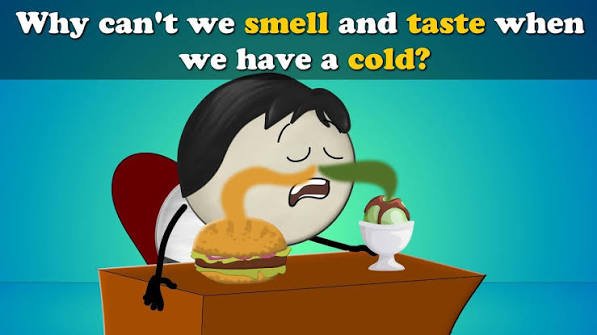
Temperature also contributes to the eating experience. A hot soup or cold dessert can still produce a strong thermal sensation even when its aroma is reduced.
This is why foods with distinctive textures may remain interesting during a cold. Although some flavor information is missing, the brain is still receiving signals from other sensory systems.
Why Strongly Seasoned Foods May Still Seem Different
Adding more salt, sugar, or other basic taste components does not necessarily restore the full flavor experience lost during congestion. These ingredients mainly strengthen particular taste sensations.
For example, adding salt may make soup saltier, but it cannot fully replace the aromas of herbs, vegetables, meat, or spices. Similarly, increasing sugar can make a dessert sweeter without restoring the detailed smell that helps identify its ingredients.
This is because flavor is multidimensional. Increasing one type of sensory signal does not automatically replace information lost from another system.
That is why simply making food stronger may not completely solve the problem. During a cold, the missing information is often aromatic rather than purely taste-related.
Why Food Smells Stronger After Congestion Improves
As the cold begins to resolve, inflammation and mucus in the nasal passages generally decrease. Breathing may become easier, allowing air and food aromas to reach the smell receptors more effectively.
When the smell system begins working normally again, foods can suddenly seem much more flavorful. Familiar aromas return, and the brain once again receives detailed information about what is being eaten.
This recovery can feel surprisingly dramatic. A meal that seemed boring one day may become enjoyable again shortly afterward.
The food did not necessarily change. Instead, the sensory system used to interpret it has returned closer to its normal state.
Why Smell Is Closely Connected With Memory
Smell has a particularly strong relationship with memories and emotions. Certain aromas can remind people of specific meals, places, family events, or childhood experiences.
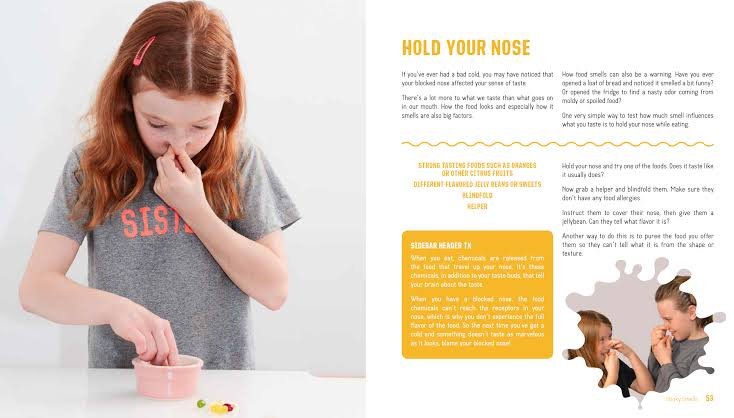
Because flavor includes smell, losing some smell during a cold can make familiar foods feel emotionally different as well as physically different.
A favorite dish may not trigger the same memory or sense of familiarity when its characteristic aroma is missing. Once the sense of smell returns, the food can feel recognizable again.
This connection helps explain why smell is so important to the enjoyment of eating. It is not simply a system for detecting odors; it contributes to how the brain identifies and emotionally experiences the world around us.
Why Appetite Can Change During a Cold
Changes in flavor can influence how much people want to eat. If food seems bland or less enjoyable, meals may become less appealing.
Illness itself can also affect appetite. Congestion, sore throat, tiredness, coughing, and general discomfort can reduce interest in food.
When these factors occur together, a person may eat less than usual. For many short-term illnesses, appetite gradually improves as symptoms settle and normal sensory experiences return.
Choosing foods that are comfortable to eat and staying adequately hydrated can make the period of reduced appetite easier to manage.
Does Everyone Experience the Same Flavor Changes?
No. The effect of a cold on flavor varies between individuals. Some people experience only a small reduction in flavor, while others notice a dramatic difference.
The severity of nasal congestion is one important factor. Someone with a heavily blocked nose may have much more difficulty detecting food aromas than someone with mild congestion.
Individual differences in smell sensitivity, the type of food being eaten, hydration, medications, and other symptoms can also influence the experience.
This means there is no single way that food tastes during a cold. The common pattern is that reduced smell can make flavor less detailed, but the intensity of the effect differs from person to person.
When Changes in Taste or Smell Need Attention
Temporary changes in smell and flavor can occur with respiratory illnesses. However, not every change should automatically be attributed to a simple cold.
If significant changes in taste or smell persist well after other symptoms have improved, become severe, or occur without an obvious reason, it may be worth discussing them with a healthcare professional.

Persistent smell changes can have many possible causes, including infections, nasal conditions, medications, and other factors. A professional can consider the overall symptoms and determine whether further evaluation is appropriate.
For an ordinary short-term cold, flavor usually becomes more normal as nasal symptoms improve.
People Also Ask
Why does food taste bland when I have a cold?
Food often seems bland because nasal congestion reduces the ability of food aromas to reach smell receptors. Since smell contributes heavily to flavor, meals can lose much of their complexity even though the tongue still detects basic tastes.
Does a cold affect taste or smell more?
A cold often affects the experience of flavor mainly by interfering with smell. People may continue detecting sweet, salty, sour, bitter, and umami sensations while losing much of the aroma information that makes foods distinctive.
Why can I still taste salt and sugar during a cold?
Taste receptors on the tongue can continue detecting basic tastes even when nasal congestion reduces smell. As a result, salt and sugar may remain noticeable while the overall flavor of food becomes weaker.
Why does spicy food still burn when I cannot taste it?
The burning sensation from chili peppers is largely produced by sensory nerves responding to compounds such as capsaicin. This mechanism is different from ordinary taste and can remain noticeable even when smell is reduced.
Can drinking water improve taste during a cold?
Staying hydrated can help prevent dry mouth, which may support normal eating sensations. However, hydration alone may not restore flavor if nasal congestion is preventing food aromas from reaching the smell receptors.
Does food actually change when you have a cold?
Usually, the food itself has not changed. Your sensory system is processing it differently because congestion, inflammation, reduced smell, dry mouth, and other symptoms can alter the information reaching your brain.
Frequently Asked Questions
How long does food taste different during a cold?
The change generally lasts while nasal congestion and reduced smell are present. As the respiratory symptoms improve and normal airflow returns, flavor perception usually becomes more normal.

Can you taste food without smelling it?
Yes. The tongue can detect basic tastes without smell. However, the complete flavor experience becomes much less detailed because many food aromas are normally detected through the nose.
Why does chocolate taste different when I have a cold?
Chocolate contains many aromatic compounds that contribute to its characteristic flavor. If your ability to smell is reduced, you may still detect sweetness and bitterness but lose some of the complex chocolate aroma.
Does congestion block your taste buds?
Not usually. Nasal congestion primarily interferes with smell. The taste receptors on the tongue can continue functioning, although other effects of illness, such as dry mouth, can influence eating sensations.
Why does coffee seem less flavorful during a cold?
Coffee’s identity depends heavily on aroma as well as taste. When congestion reduces your ability to detect those aromas, coffee may still taste bitter but lose much of its familiar roasted and aromatic character.
Can smell return before a cold completely disappears?
Yes. Symptoms do not necessarily disappear in the same order for everyone. As nasal airflow improves, smell and flavor may begin returning even while some other cold symptoms remain.
Why do foods with strong smells become easier to notice after recovery?
When nasal passages become less congested, more volatile food molecules can reach the smell receptors. The brain then receives richer information and can produce a more complete flavor experience.
Conclusion
Food seems different during a cold because eating is much more than a process involving the tongue. Taste receptors detect basic sensations such as sweetness, saltiness, sourness, bitterness, and umami, while the smell system supplies much of the detailed information that makes foods recognizable and complex. Nasal congestion can interfere with this smell pathway, especially retronasal olfaction, causing familiar meals to seem bland or incomplete.
The good news is that these changes are often temporary and improve as the cold and nasal congestion settle. Once normal airflow allows food aromas to reach the smell receptors again, the brain can combine taste and smell information more effectively. What seemed like a change in the food was often a temporary change in the way the body was sensing and interpreting it.